If you’ve spent any time exploring British family history, you’ll have seen the term civil parish appear in all sorts of records — censuses, certificates, maps, and administrative documents. But what exactly is a civil parish, and why does it matter for your research?
Let’s take a look.
🏛️ What is a Civil Parish?
A civil parish is the smallest unit of local government in England and Wales.
It’s distinct from an ecclesiastical (church) parish, although historically the two overlapped.
Civil parishes emerged in the 19th century as part of reforms that separated church responsibilities from local administration. Over time, they became the backbone of census organisation, taxation, and community governance.
For genealogists, they act as a geographical anchor — helping you understand where your ancestors lived and how their communities were structured.
🗂️ Why Civil Parishes Matter in Genealogy
Civil parishes help you:
- locate the right census or register
- understand local boundaries
- track short‑distance migration
- interpret rural addresses that used parish names rather than streets
If you’re working with 19th‑ or early 20th‑century ancestors, the civil parish is often your first breadcrumb.
🗺️ Civil Parish vs. Ecclesiastical Parish
These two terms are easy to mix up, but they serve different purposes:
| Civil Parish | Ecclesiastical Parish |
|---|---|
| Administrative unit | Church of England unit |
| Created for governance | Created for pastoral care |
| Used in censuses and local records | Used in baptisms, marriages, burials |
| Boundaries may differ | Boundaries based on church needs |
Both matter — but for different types of records
📚 Where You’ll Encounter Civil Parishes
You’ll see civil parishes referenced in:
- Census returns (1841–1921)
- Birth, marriage, and death certificates
- Poor Law and workhouse records
- Local government documents
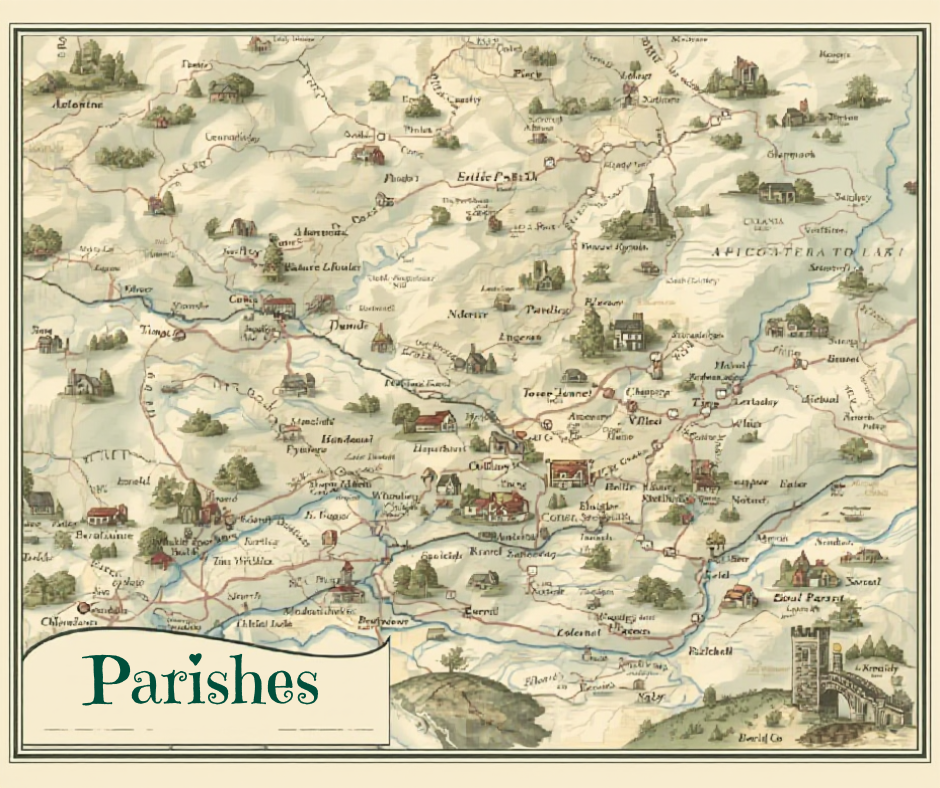
- Historical maps and gazetteers
If you’re unsure which parish your ancestor belonged to, historical mapping tools and gazetteers can help you pinpoint it.
📌 Civil Parishes in the 1921 Census
Civil parishes continued to play a meaningful role in the 1921 Census of England and Wales. They appear in the census headings and in the descriptions of enumeration districts, acting as the smallest unit of local government.
For your research, this means the civil parish can still help you:
- identify the correct enumeration district
- understand the local geography your ancestors lived within
- distinguish between neighbouring communities with similar names
Although administrative reforms were beginning to reshape local governance, the civil parish remained a practical organising tool in 1921.
🌱 A Final Thought
Civil parishes might seem like dry administrative units, but they’re actually small windows into the communities your ancestors inhabited. Understanding them helps you read records more confidently and follow your family’s story with greater clarity.
Leave a Reply