Category: Blog
-
Mini‑Education – Manors and Pre‑Parochial Structures
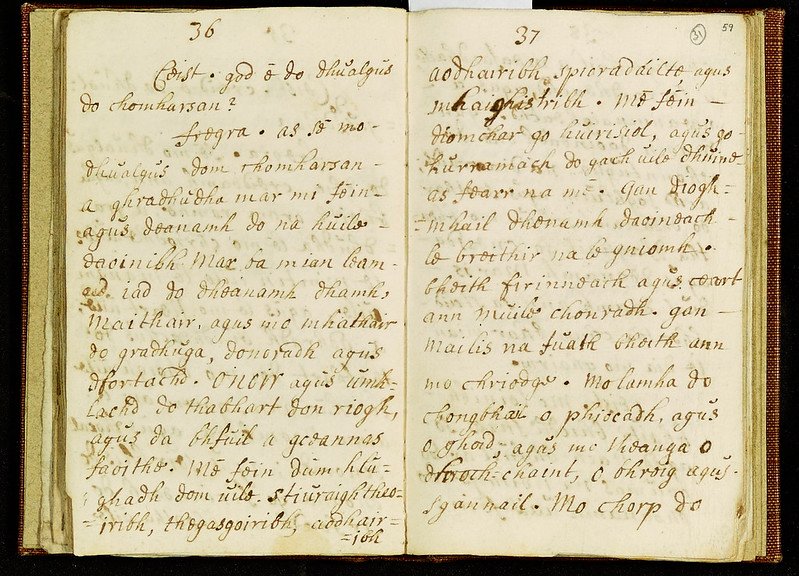
Going Back Before the Parishes Last week we explored the role of the parish in family history research — but the story doesn’t start there. Before parishes became the main unit of local administration, communities were shaped by manors and earlier land‑based jurisdictions. A manor wasn’t a grand house, but a territorial and legal unit.…
-
🌿 Understanding Civil Parishes: A Quick Guide for Family Historians
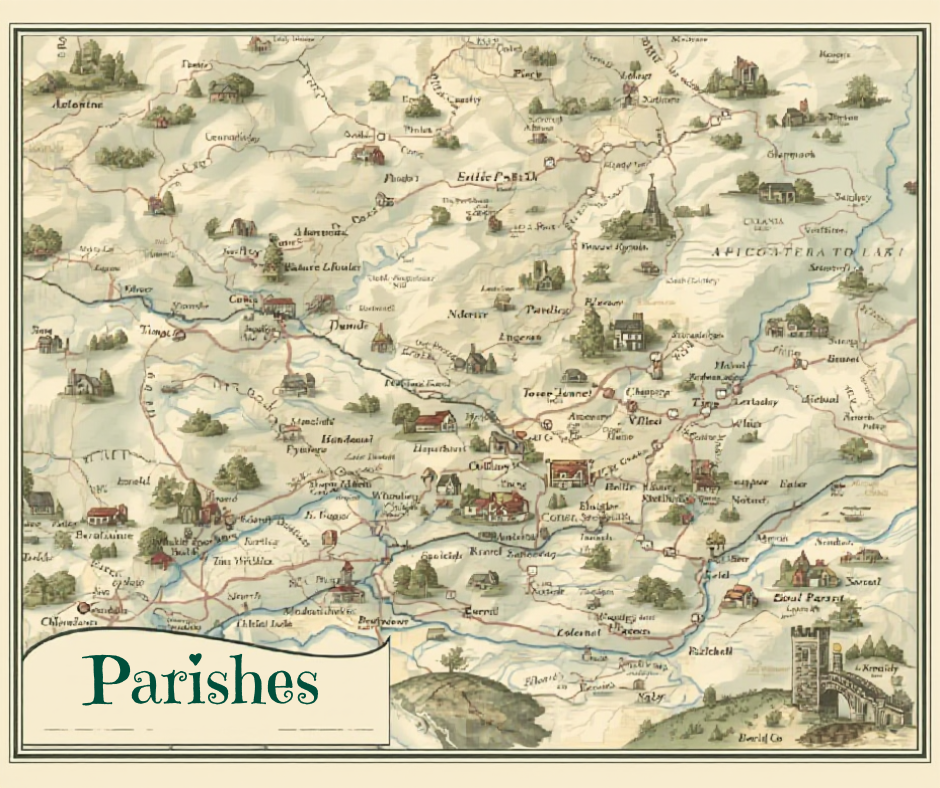
If you’ve spent any time exploring British family history, you’ll have seen the term civil parish appear in all sorts of records — censuses, certificates, maps, and administrative documents. But what exactly is a civil parish, and why does it matter for your research?Let’s take a look. ðŸ›️ What is a Civil Parish? A civil…
-
🌿 A Thread Carried From Mother to Daughter
What mtDNA Actually Is This is why mtDNA can hint at where a maternal line has been for thousands of years, even when written records only go back a few generations. 🧬 What Is a Haplogroup? A haplogroup is a genetic branch — a way of grouping people who share a very ancient maternal ancestor.…
-
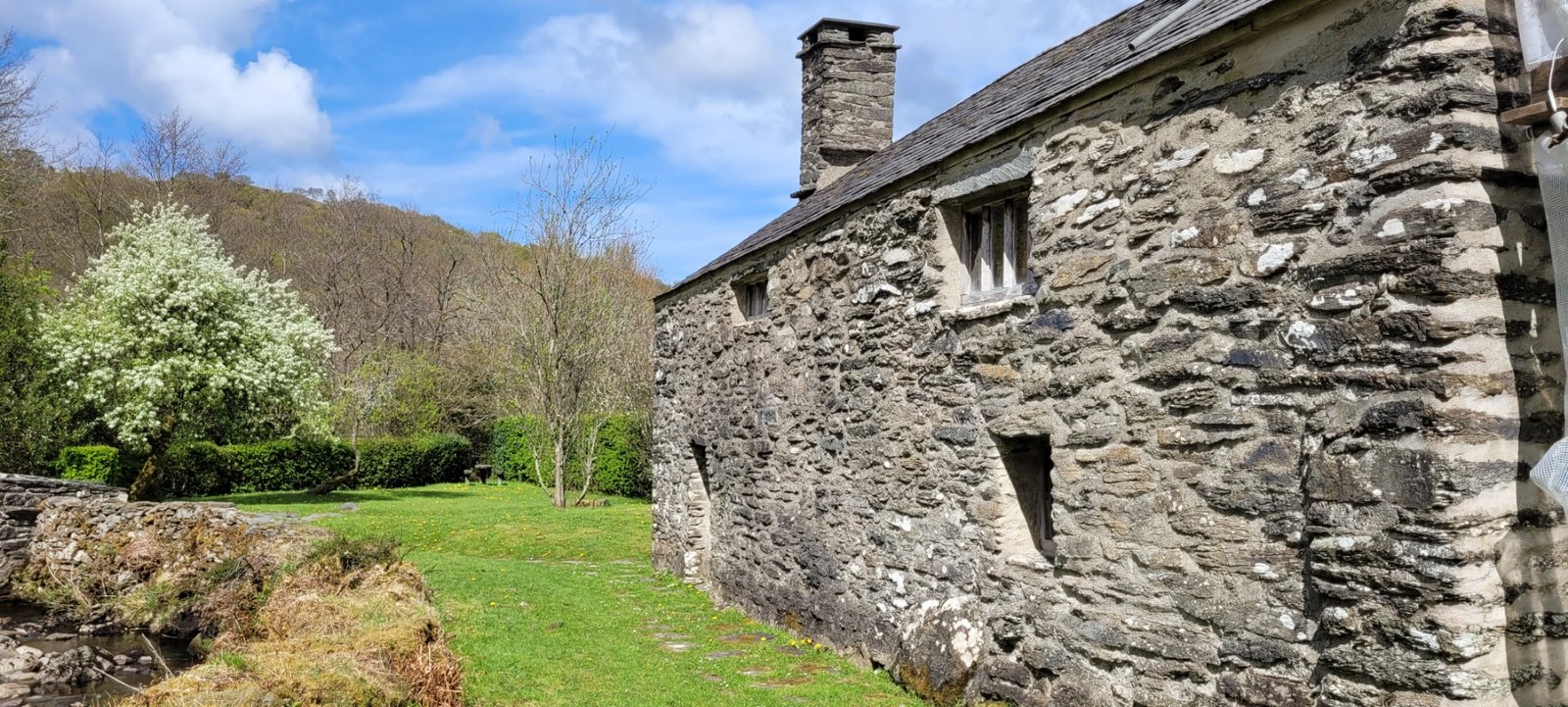
Ty Mawr and the Language of Belonging: A Genealogist’s Reflection
Last spring, I spent a quiet morning at Ty Mawr near Betws‑y‑Coed. The valley was just beginning to wake — blossom on the trees, soft light on the stonework, and the steady movement of the stream cutting through the grass. The buildings stood as they have for centuries: weathered, dignified, and deeply rooted in the…
-

✨ Looking Deeper: Continuing a Practice of Critical Thinking in Family History (New Year 2026)
Every January, people talk about resolutions — new habits, new goals, new ways of working.But in my genealogical practice, the new year isn’t a moment to reinvent anything.It’s a moment to reaffirm the habits that matter. For me, that means continuing to look deeper. Genealogy is often imagined as a hobby of collecting names and…
-
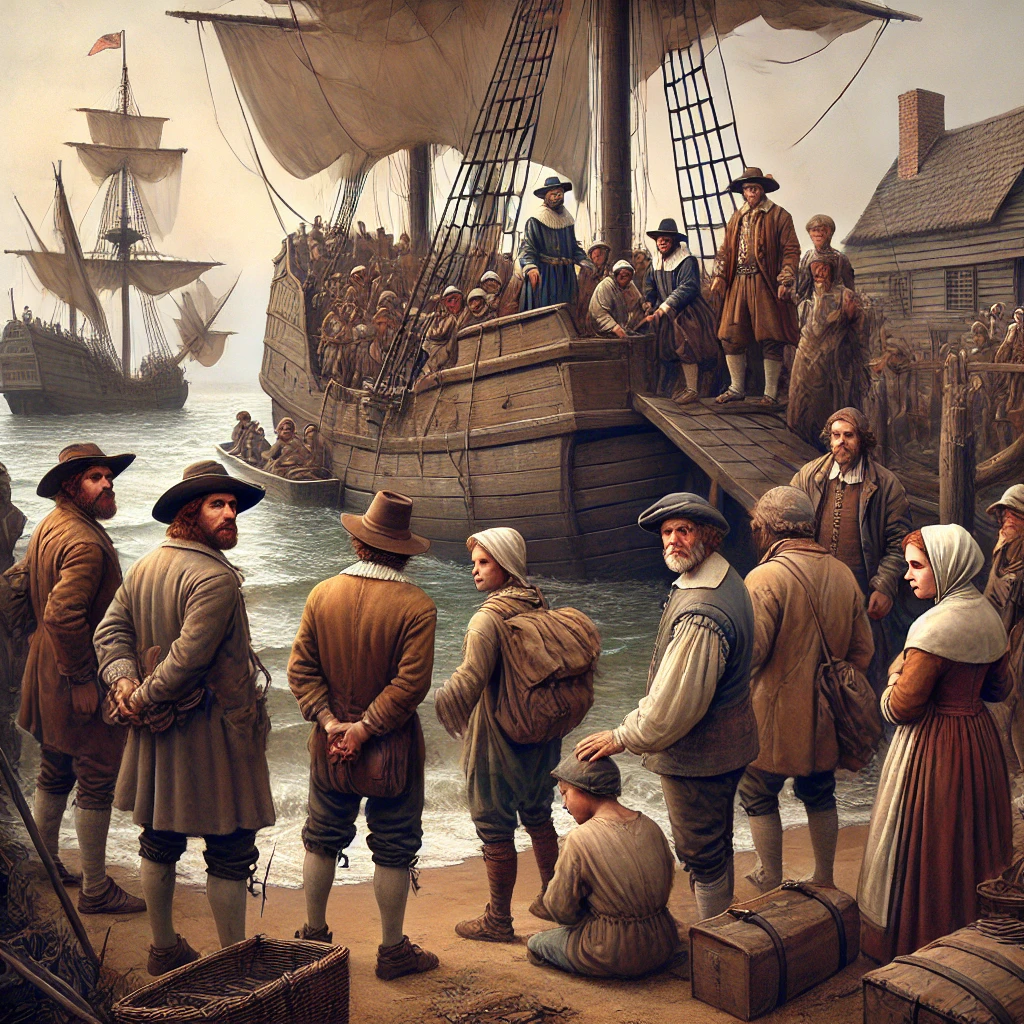
🧭 Three Paths from Wales: Vision, Industry, and Defiance
Tracing Welsh lives across oceans and upheavals—through chapel records, censuses, and quiet clues in the margins. ✍️ By John Colclough – Genealogist & Narrative Historian What happens when we follow a name through time? A minister becomes a settler. A brothers from Penderyn help build an iron empire in Tennessee. A young mother survives a…
-
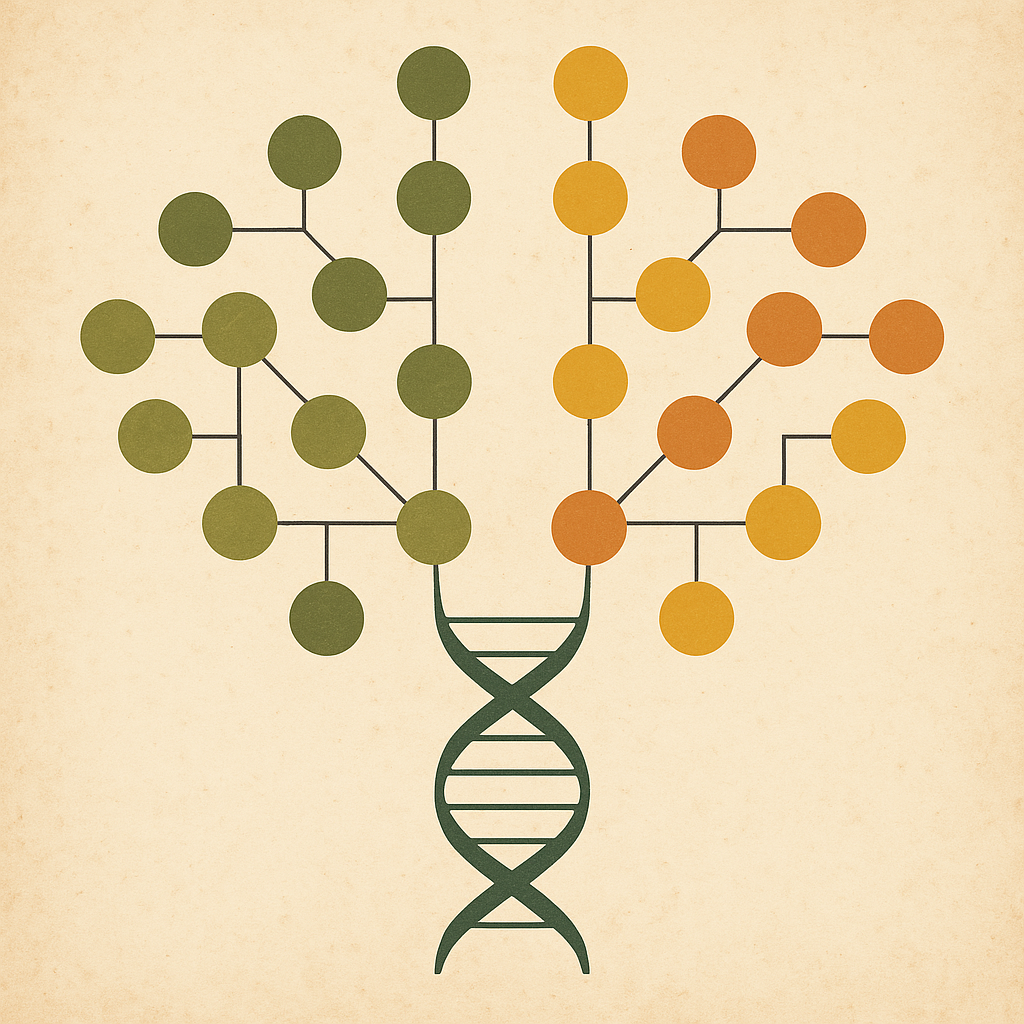
🧬 Clustering Cousins: What My DNA Matches Are Trying to Tell Me.
In my exploration of genetic genealogy, I recently used the AutoCluster tool from GEDmatch, this time with the non-endogamous setting. This approach allowed me to focus on genuine, mid-range matches that often reflect recent, traceable ancestry — and the results revealed how certain relatives cluster through shared DNA, while others stand intriguingly apart. 🧩 What’s…
-

A walk to the Pittville Pump Room. Some history on three Luminaries including a Colclough.
From Oct. 2021. Recovered from WordPress crash Dec 2024. This week, reflecting a bit of freedom for Eva, to let her have a run about off the lead. We walk from the Racecourse towards Cheltenham and a park we had noticed on another day. Leaving the racecourse, we headed south to the A 435 Evesham…
-
Indentured Servitude in Colonial America: A Gateway to the New World.
Introduction to Indentured Servitude During the Great Migration, thousands of English immigrants arrived in America, with roughly 80% coming as indentured servants. This system was born out of economic need: the cost of travel to America was prohibitive, so many English men and women signed contracts agreeing to labor in exchange for passage, shelter, and…
-
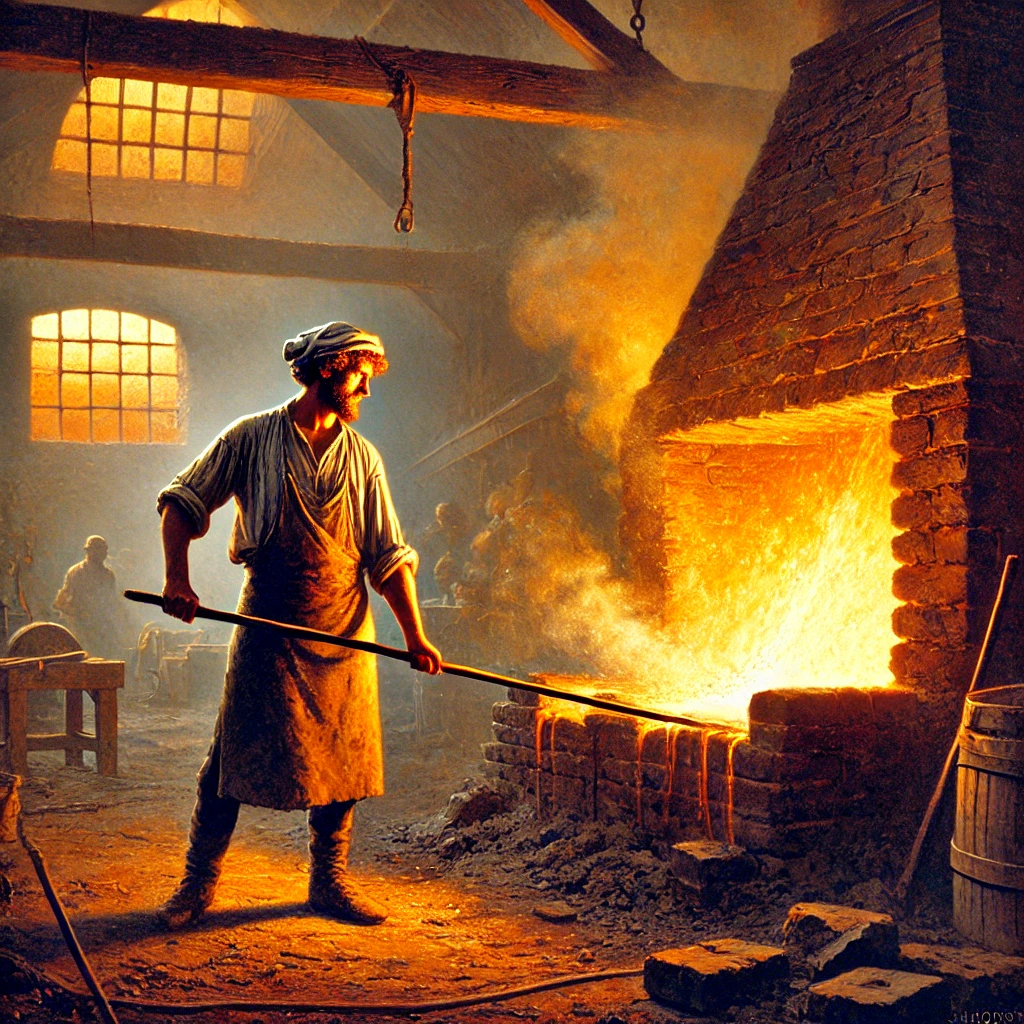
Puddlers in the Iron Works.
It is almost impossible to look at a census return from Merthyr Tydfil in South Wales and not come across iron workers described as Puddlers. I thought I’d offer a quick outline of these: Puddlers in the Merthyr Tydfil Ironworks: Forging Iron and Community. In the 19th century, Merthyr Tydfil was one of the most…